Businesses that handle temperature-sensitive products need reliable ways to protect inventory throughout storage and distribution. Certain foods, beverages, medications, plants, and other products can deteriorate when exposed to temperatures outside their recommended ranges. Maintaining appropriate storage conditions can help businesses preserve product quality, reduce waste, and support efficient operations.
A cold storage facility provides a controlled environment where products can be stored at specific temperatures. Depending on the design, these facilities may offer refrigerated, chilled, or frozen storage areas for different types of inventory.
Understanding the common uses for temperature-controlled storage can help businesses determine whether this type of solution fits their operational needs.
Storing Fresh Food Products
One of the most common applications for temperature-controlled storage is preserving fresh food. Fruits, vegetables, dairy products, meat, seafood, and other perishables can have limited shelf lives when stored at room temperature.
Refrigerated environments can help slow processes that contribute to spoilage. Businesses can use these spaces to hold products between processing, transportation, distribution, and sale.
Different foods have different storage requirements, so maintaining an appropriate temperature is important. Some products may require chilled conditions, while others need to remain frozen. Proper organization can also help businesses separate products according to their storage requirements.
For food distributors, wholesalers, grocery businesses, and restaurants, dependable temperature control can support inventory management and help products remain suitable for their intended use.
Preserving Frozen Products
Frozen products represent another major use for temperature-controlled storage. Frozen meats, prepared meals, desserts, vegetables, and other foods may require consistently low temperatures throughout storage.
Freezing can extend the usable life of many products, but maintaining consistent conditions is important. Significant temperature fluctuations can affect product quality and may contribute to thawing and refreezing.
Businesses that sell or distribute frozen goods may use dedicated freezer areas to hold inventory before it reaches retailers, restaurants, or consumers. Large storage spaces can also allow businesses to purchase or produce inventory in greater quantities while maintaining appropriate conditions until it is needed.
Supporting Pharmaceutical Storage
Some pharmaceutical products and medical supplies have specific temperature requirements. Certain medications, vaccines, biological materials, and other healthcare products may need controlled storage conditions to maintain their quality.
Temperature requirements can vary significantly between products. Some may require refrigeration, while others may need frozen or ultra-low-temperature environments. Storage operators must therefore understand the requirements associated with the products they handle.
Temperature monitoring is particularly important for sensitive healthcare products. Businesses may use monitoring systems, alarms, and documented procedures to identify temperature changes and respond to potential problems.
Because pharmaceutical products can have strict handling requirements, businesses should verify that a storage provider can accommodate the specific conditions, monitoring, and procedures required for their inventory.
Holding Beverages
Beverage companies can also benefit from temperature-controlled storage. Certain beverages may need to remain chilled before distribution or sale, while other products can benefit from controlled conditions during storage.
Businesses may store bottled or packaged beverages while waiting for transportation, distribution, or seasonal demand. Restaurants, retailers, distributors, and manufacturers may use refrigerated storage to manage inventory without relying solely on the limited space available at their primary facilities.
Proper organization can make it easier to rotate inventory and retrieve products efficiently. This can be particularly useful for businesses handling large quantities or multiple product varieties.
Supporting Distribution and Logistics
Temperature-controlled storage plays an important role in supply chain management. Products may pass through multiple locations before reaching their final destination, and each transition creates an opportunity for temperature conditions to change.
A cold storage facility can serve as an intermediate location where temperature-sensitive goods remain protected while businesses coordinate transportation and distribution.
This can be especially valuable for companies serving large geographic areas. Instead of shipping every product directly from a manufacturing site, businesses may use strategically located storage facilities to position inventory closer to customers.
Efficient storage and distribution can help reduce transportation delays and support more predictable delivery schedules.
Handling Imported and Exported Goods
Businesses involved in international trade may also require temperature-controlled storage. Imported products can arrive before they are ready for distribution, creating a need for temporary storage while documentation, transportation, or other logistics are arranged.
Similarly, products prepared for export may need to remain in controlled conditions until they are loaded for shipment. Storage facilities can provide businesses with additional flexibility during these transitions.
Because international shipments can involve extended transportation times, maintaining appropriate conditions throughout the supply chain is particularly important for perishable products.
Choosing Appropriate Storage Conditions
Not every temperature-sensitive product requires the same storage environment. Businesses should determine the appropriate temperature, humidity, ventilation, monitoring, and handling requirements for their inventory.
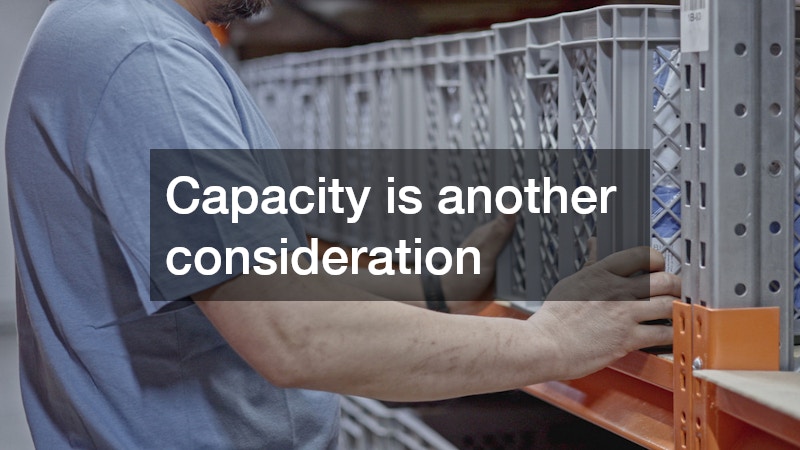
Capacity is another consideration. A business should evaluate how much inventory needs to be stored, how frequently products arrive, and how quickly they need to be retrieved.
Access and organization also matter. Well-planned storage can make it easier to rotate inventory, locate products, and prepare shipments. Businesses should consider these operational factors in addition to temperature control when evaluating storage options.
Temperature-controlled storage can serve many purposes across the food, healthcare, floral, beverage, manufacturing, and logistics industries. Businesses may use these environments to preserve fresh products, store frozen goods, protect sensitive pharmaceuticals, manage seasonal inventory, and support distribution.
A cold storage facility can provide businesses with additional capacity and controlled conditions when temperature-sensitive products need protection between production and delivery. The right solution depends on the products being stored, their temperature requirements, inventory volume, and the business’s operational needs.
By understanding these common applications and evaluating storage requirements carefully, businesses can select an approach that supports product quality, inventory management, and reliable distribution.